English
 한국어
한국어 français
 Deutsch
 Español
 русский
 العربية
 tiếng việt
 Türkçe
 ไทย
ไทย Indonesia
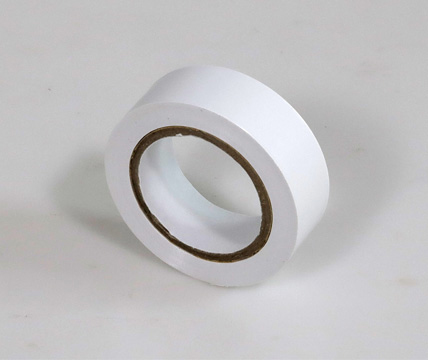
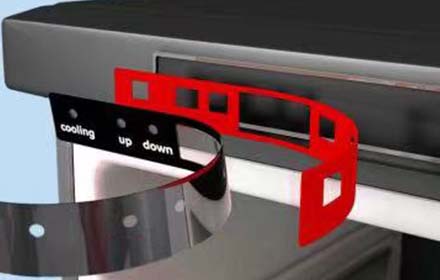

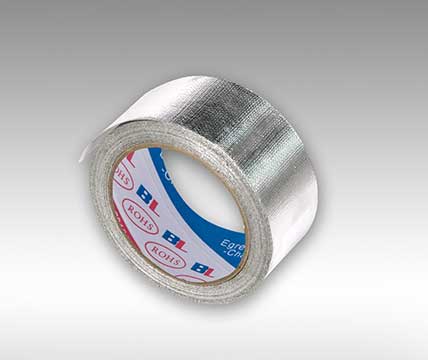
When it comes to thermal insulation, the choice of tape is more critical than most realize. While conventional tapes (such as rubber, PVC, or standard acrylic foams) may suffice for basic sealing, EVA Foam Tape offers distinct advantages that make it the superior choice for demanding insulation tasks. In this article, we compare EVA foam tape to conventional tape and explain why Egret Mfg's EVA foam tape is particularly well-suited for HVAC, building, and industrial insulation applications.
EVA, or ethylene‑vinyl acetate, is a copolymer in which the content of vinyl acetate (VA) typically ranges from 5% to 40%. By introducing vinyl acetate into the molecular chain, EVA achieves lower crystallinity and gains important mechanical and thermal benefits — improved toughness, impact resistance, filler compatibility, and enhanced thermal sealing performance.
Compared to more basic materials like polyethylene (PE), EVA's molecular structure gives it much better flexibility and resilience. According to manufacturers' data, EVA foam has a low density, a high proportion of closed cells, and excellent shock absorption and water resistance.
This closed-cell structure is especially valuable in insulation: air trapped in the foam helps minimize heat transfer, making EVA an effective thermal barrier.
One of the most compelling reasons to use EVA Foam Tape is its thermal performance. EVA foam has a relatively low thermal conductivity — for many grades, around 0.04 W/m·K.
This is in line with independent testing, such as marine-grade EVA foam measured under ASTM C518, where conductivity falls between 0.035–0.045 W/m·K.
Because of this low conductivity, a modest thickness of EVA foam tape can substantially reduce heat transfer, making it much more effective than many conventional tapes that provide little true insulation. In building applications, this results in real energy savings and a more stable thermal environment.
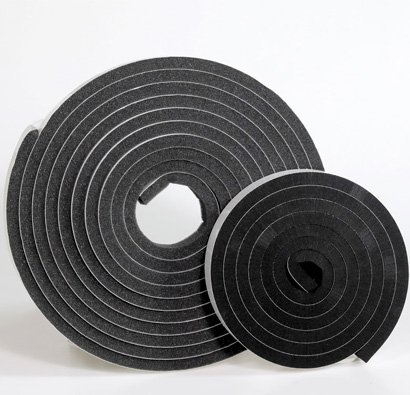
Beyond thermal insulation, EVA foam tape offers excellent environmental resistance. Thanks to its closed-cell structure, EVA tape resists water absorption, preventing moisture-related degradation and mold growth — a common issue in poorly sealed insulation systems.
EVA is also chemically stable: it resists dilute acids, alkalis, oils, and many solvents, making it highly durable in industrial or outdoor settings.
Furthermore, EVA's weather resistance, UV stability, and ozone resistance contribute to long-term performance in exposed environments.
To illustrate the practical difference, consider Egret Mfg's EVA foam tape compared to a typical foam or rubber-based tape:
Thermal sealing: EVA tape's insulating cell structure helps maintain temperature integrity at seams, unlike conventional tapes that may simply act as a mechanical seal.
Impact resistance: Because of EVA's toughness and elasticity, the tape will absorb vibrations and slight movements without failing.
Environmental compliance: Egret Mfg's EVA foam tape meets RoHS standards, ensuring low toxicity and environmental safety — an advantage over many older cross-linked rubber or PVC foams.
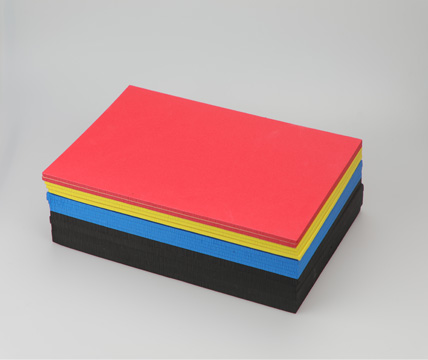
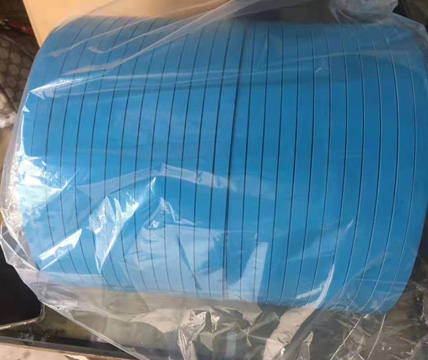
Flexible delivery: Egret Mfg offers EVA foam tape in jumbo rolls or die-cut shapes, and in widths from 10 mm up to 1,600 mm, lengths from 100 mm to 2,000 mm — making it highly customizable for large insulation projects or precision gasket work.
These benefits mean fewer replacement cycles, less risk of failure under thermal cycling, and better overall insulating performance compared to many conventional tapes.
For thermal insulation applications — whether in HVAC ductwork, building envelope sealing, or industrial insulation — EVA Foam Tape offers a compelling combination of thermal insulation, durability, and flexibility. Its low thermal conductivity, coupled with excellent resistance to moisture, chemicals, and mechanical stress, make it a more effective and long-lasting solution than conventional tapes.
Egret Mfg's EVA foam tape stands out with its customizable dimensions, RoHS compliance, and robust physical properties. By choosing EVA foam tape, you're investing in a solution that not only seals but insulates, providing real value in energy savings, reliability, and long-term performance.
EVA Foam Material Properties – Physical, Chemical & Thermal Insights
Comprehensive Overview of Ethylene-Vinyl Acetate Foam
Alfa Chemistry: Properties of Ethylene-Vinyl Acetate (EVA) Foam