English
 한국어
한국어 français
 Deutsch
 Español
 русский
 العربية
 tiếng việt
 Türkçe
 ไทย
ไทย Indonesia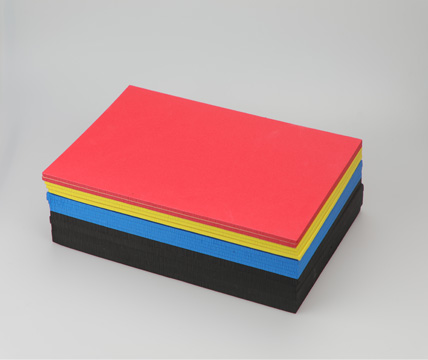
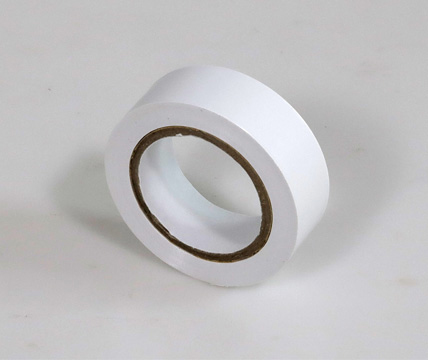
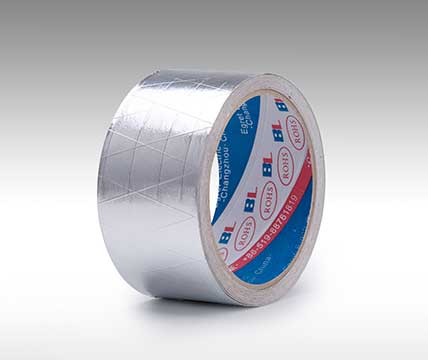
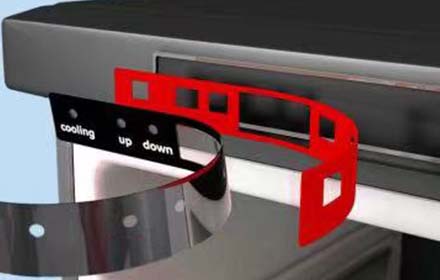

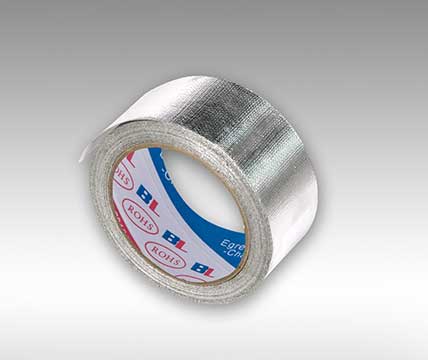
Foam tape is a versatile adhesive product made by bonding foam materials with pressure-sensitive adhesive on one or both sides. Fundamentally, foam tapes for HVAC systems are designed to conform to irregular surfaces, create airtight seals, and provide insulating, cushioning, or vibration-damping functions. Foam tape can be made from a range of base materials including polyurethane (PU), nitrile-butadiene rubber (NBR), polyethylene (PE), ethylene propylene diene monomer (EPDM), and acrylic foam (VHB), each selected based on performance needs such as resilience, moisture resistance, and temperature tolerance.
In general, what is foam tape comes down to its structure: a cellular or closed-cell foam core that traps air and compresses under pressure, paired with a strong adhesive that bonds to metal, PVC, and other HVAC materials. This combination allows foam tape to excel in sealing gaps, preventing air leaks, insulating ductwork, and absorbing vibration or noise.
As a foam tape manufacturer, Egret Group produces a wide range of foam tape products including PU foam tape, NBR foam tape, EPE foam tape, EPDM foam tape, and VHB acrylic foam tape, which can be customized in size and adhesive options to suit different HVAC applications.
One of the most critical roles of HVAC foam tape is sealing air ducts and joints to prevent leakage. In HVAC systems, even small air leaks can significantly reduce efficiency, making it harder to maintain temperature control and increasing energy costs. Foam tape's compressible nature enables it to fill irregular seams between duct connections, creating a tight, long-lasting seal that resists air infiltration.
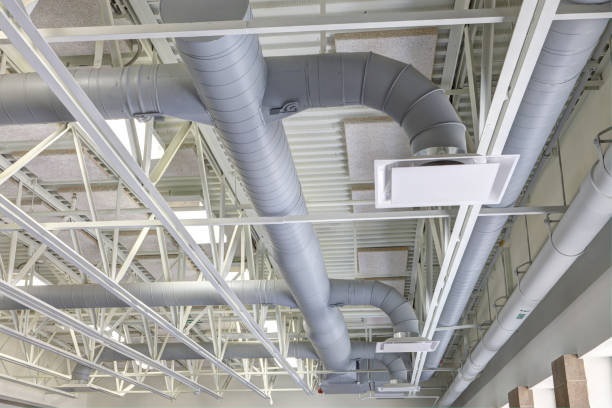
Closed-cell foam tapes like NBR and EPDM varieties are particularly effective for duct sealing because their structure resists moisture and air movement, helping maintain system efficiency and reducing potential hotspots where condensation or heat loss may occur.
Unlike traditional mechanical fasteners or sealants that can crack over time, adhesive foam tape forms a continuous barrier on irregular or hard-to-reach surfaces. This self-adhesive property also makes installation quicker and cleaner for HVAC technicians working on new constructions or maintenance projects.
Another major application of foam tape in HVAC is thermal insulation, where it contributes directly to energy savings. HVAC systems transfer conditioned (heated or cooled) air through duct networks, and any heat gain or loss along the ducts can lead to system inefficiencies. When applied around metal ducts or connectors, foam tapes for HVAC form a thermal barrier that minimizes heat conduction between the interior air and external environment.
Materials like polyethylene (PE) and ethylene-vinyl acetate (EVA) foam are valued for their low thermal conductivity and flexible cell structure, which offer both insulation and cushioning. By keeping the conditioned air closer to its desired temperature for longer, HVAC foam tape helps reduce energy consumption and enhances comfort levels in residential and commercial buildings.
In addition, closed-cell foam tapes resist moisture penetration, preventing condensation and potential corrosion on ductwork, which can further protect the integrity of installed HVAC systems and extend their service life.
HVAC systems involve moving parts such as fans and blowers, which can generate vibration and noise. Untreated vibration can transmit through ductwork and building structures, creating unwanted sound disturbances. One of the important—but sometimes overlooked—uses of foam tape in HVAC is vibration control.
Foam tapes act as shock absorbers between vibrating components and rigid structures. When applied at connection points, mounting surfaces, or equipment panels, they help dampen mechanical energy and reduce sound transmission. This characteristic is especially useful in environments where noise comfort is a priority, such as offices, hospitals, and residential buildings.
In high-performance HVAC installations, foam tape can be strategically placed around service doors, fan housings, and panel joints to minimize rattles and buzzing noises that would otherwise travel along metal ducts. This contributes to a quieter indoor environment—an increasingly valuable performance metric for modern HVAC systems.
Selecting the right foam tape involves assessing the specific demands of your HVAC application—whether that's high temperature ranges, moisture exposure, outdoor durability, or vibration control. HVAC foam tape manufacturers like Egret Group offer a portfolio of materials such as PU foam, NBR foam, EPE foam, EPDM, and VHB acrylic foam, each with unique properties for sealing, insulating, and shock absorption.
Reputable manufacturers ensure quality control in adhesive strength, foam consistency, and compatibility with industry standards, which all contribute to long-term performance and system reliability. Whether for new construction or retrofit projects, partnering with established foam tape suppliers helps ensure that HVAC systems operate efficiently, quietly, and with minimal energy loss.