English
 한국어
한국어 français
 Deutsch
 Español
 русский
 العربية
 tiếng việt
 Türkçe
 ไทย
ไทย Indonesia
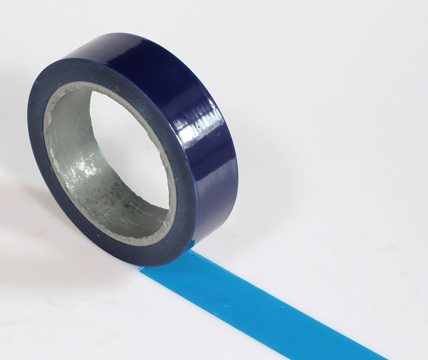
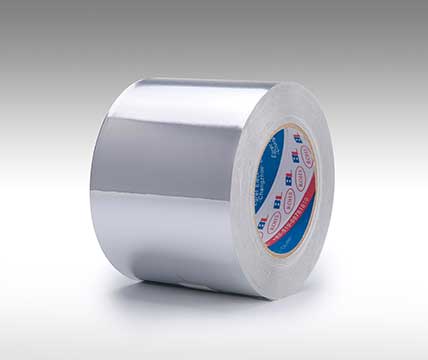
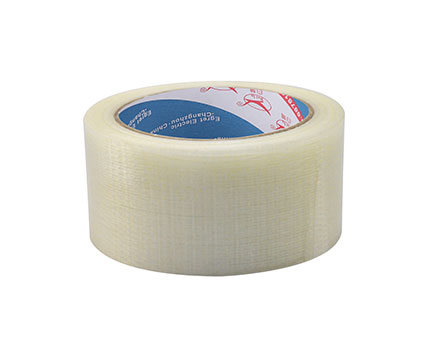


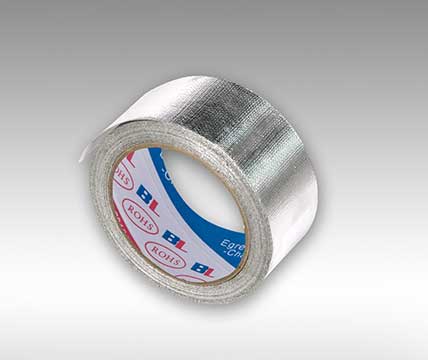
BOPP tape can provide comprehensive performance , with its film structure and adhesive. This trait makes it can effectively fulfill different functions.
BOPP tape is an adhesive tape constructed from biaxially oriented polypropylene (BOPP) film coated with pressure‑sensitive adhesive such as acrylic or hot melt systems. “Biaxially oriented” refers to stretching the film in both the machine and transverse directions to enhance tensile strength, clarity, and stability—an essential foundation for reliable carton sealing and industrial usage.
BOPP tape’s design enables it to resist moisture, maintain adhesion across temperature variations in logistics and packaging operations, and provide consistent performance in automated and manual sealing environments. Now can you understand what is BOPP tape?
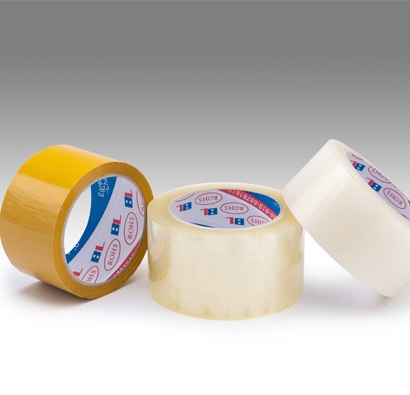
BOPP tape performance in real logistics and industrial scenarios can only be properly evaluated by understanding its technical metrics. Packaging engineers and quality professionals assess through standardized tests to compare products across different suppliers.
BOPP tape in mechanical and adhesive property tests:
| Parameter | What It Measures | Standard Test Method |
|---|---|---|
| Tensile Strength | Force required to break tape film | ASTM D3759 / PSTC‑16 / ASTM D882 |
| Elongation at Break | Stretch before failure | ASTM D3759 / ASTM D882 |
| Peel Adhesion | Force required to peel tape from a surface | ASTM D3330 / PSTC‑101 |
| Holding Power (Shear) | Ability to resist slippage over time under load | PSTC‑107 / ASTM D3654 |
| Unwind Force | Ease of tape dispensation from roll | Internal packaging line metrics |
BOPP tape used for packaging and logistics reflects performance expectations that may vary by formulation and supplier:
Tensile Strength: ~78–117 N/in (≈450–670 N/25 mm) depending on thickness
Peel Adhesion: ~4.0–7.5 N/25 mm depending on adhesive type
Elongation at Break: ~80–140%
Holding Power: ≥24 hrs under standard condition (tests vary)
Interpretation:
Higher tensile strength and elongation provide resistance to tearing and better performance in high‑stress sealing lines.
Strong peel adhesion ensures cartons stay sealed even through rough handling and sorting conveyors.
Stable holding power is critical for shipment durability and palletized loads.
Industry benchmarks inform selection for specific applications such as international shipping, cold chain logistics, automated sealing systems, and brand‑visible packaging.
BOPP tape is a core material in multiple operational workflows. Its versatility supports both functional sealing and strategic communication across supply chains.
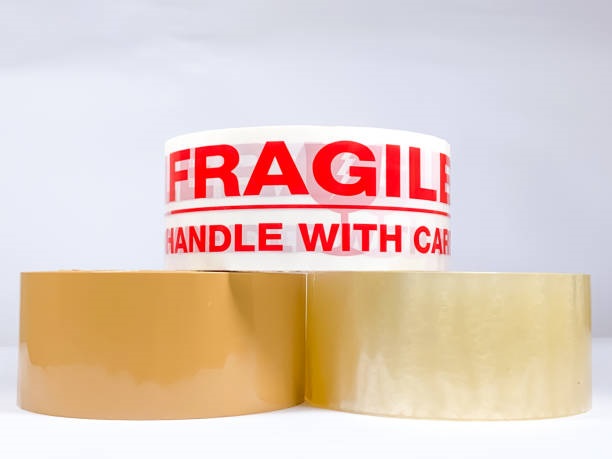
BOPP tape reliably seals cartons, packages, and distribution pallets, preventing tampering and maintaining integrity from fulfillment centers to final delivery in logistics. Its performance across temperature and humidity variations makes it ideal for both domestic and international shipping paths.
Effective for carton closure and reinforcement
Suitable for automated & manual sealing operations
Ensures long transit integrity
Within this context, white BOPP tape and yellow BOPP tape options help with use‑case differentiation (e.g., standard sealing vs. visual identification).
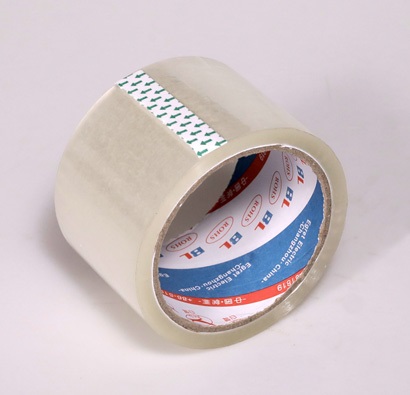
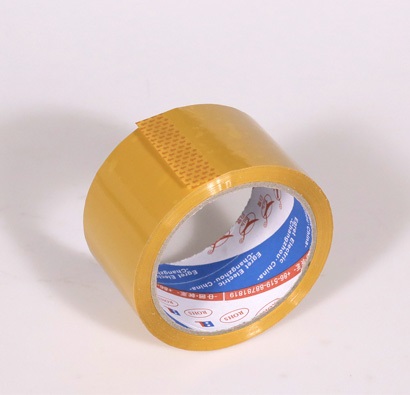
BOPP tape’s smooth surface allows for printed messaging and branding. Custom printed variants such as custom BOPP tape can include logos, handling instructions, or promotional phrases.
Benefits in packaging environments:
Strengthens brand presence on shipments
Improves handling communication (“Fragile”, “Top Load Only”)
Differentiates product streams in fulfillment operations
Supports tamper‑evident messaging
This strategic use turns a functional sealing material into a subtle marketing and communication touchpoint.
BOPP tape, in manufacturing and handling workflows, acts as temporary surface protection against scratches, dust, and abrasion on substrates like:
Glass and acrylic panels
Plastic housings
Coated metal parts
By using protective BOPP tape layers, products retain visual and functional integrity through assembly, storage, and shipment.
BOPP tape, beyond sealing, plays a role in:
Bundling cables, pipes, and components
Organizing inventory in warehouses
Securing loose materials during transport
Marking and visual categorization in complex operations
Its combination of strong adhesion and tear resistance supports efficient storage and movement of goods in industrial contexts.
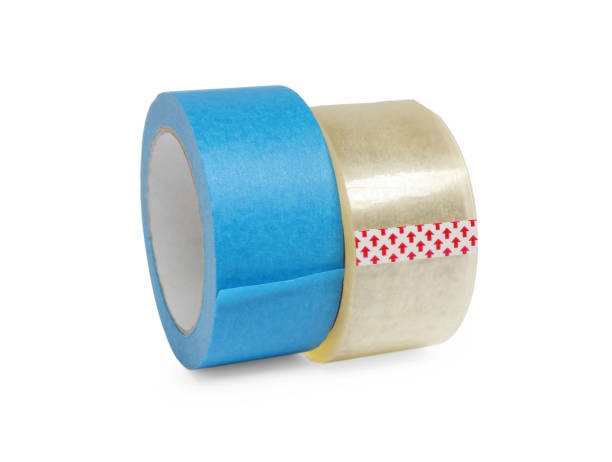
BOPP tape is different from masking tape. When comparing adhesive tapes for packaging and operational use, BOPP tape and masking tape fulfill different roles. While BOPP tape is engineered for sustained packaging performance and logistics integrity, masking tape is designed for temporary surface masking and paint coverage.
| Feature | BOPP Tape | Masking Tape |
|---|---|---|
| Base Material | BOPP film | Crepe paper |
| Adhesive Type | Acrylic / hot melt | Rubber / removable |
| Moisture Resistance | High | Low |
| Primary Use | Carton sealing, packaging, bundling | Surface masking, paint protection |
| Mounting Strength | Designed for long‑term adhesion | Designed for easy removal |
| Automated Line Compatibility | Yes | No |
| Durability | High | Short‑term |
BOPP tape provides reliable performance and extended lifecycle compliance in logistics and industrial packaging, while masking tape serves short‑duration applications with easy removability.
BOPP tape utilizes different adhesive systems tailored to application needs:
Acrylic BOPP tape: Offers long‑term adhesion stability, UV and temperature resistance, and aging performance. It is typically preferred for export shipments and long‑duration storage.
Hot melt BOPP tape: Delivers strong initial tack and rapid grab on carton flaps, ideal for high‑speed packing lines and fast seal cycles.
Choice depends on operational priorities—whether speed of application or long‑term adhesion consistency is prioritized.
Yes. In packaging and logistics scenarios, BOPP tape is designed to provide high tensile strength, robust adhesion, and durability under the stresses of handling and transport. Its biaxially oriented film structure contributes directly to mechanical resilience and tear resistance in real operational workflows.
The core raw components for BOPP tape include:
Biaxially oriented polypropylene (PP) film – the base substrate providing mechanical strength.
Pressure‑sensitive adhesive – typically acrylic or hot melt formulations.
Additives and pigments – used for color, film performance tuning, and printing quality.
The combined engineering of film and adhesive yields a performance tape optimized for sealing, protection, and durability in logistics and industrial usage.