English
 한국어
한국어 français
 Deutsch
 Español
 русский
 العربية
 tiếng việt
 Türkçe
 ไทย
ไทย Indonesia
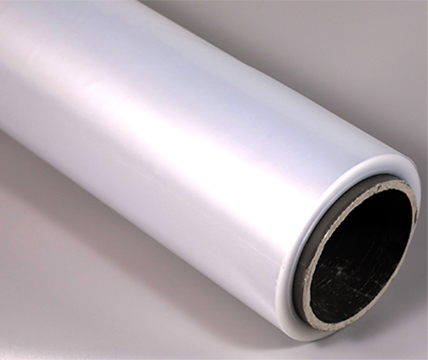
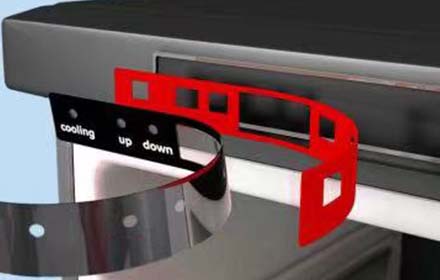

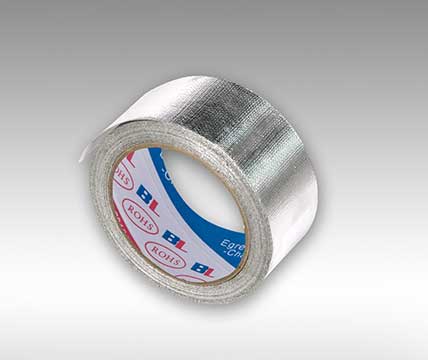
PE protective film for stainless steel can protect the face of steel well. It is used in many important fields due to the protective feature.
PE protective film is a temporary surface protection material made from polyethylene film combined with a pressure-sensitive adhesive layer. It is designed to shield finished surfaces—especially stainless steel—from scratches, dirt, and mechanical damage during processing, handling, storage, and installation.
PE protective film typically consists of:
Polyethylene (PE) backing – flexible, tear-resistant protective layer
Adhesive coating – usually acrylic or rubber-based for controlled adhesion
Optional printing layer – branding or installation instructions
PE protection films, unlike permanent coatings, are engineered for clean removal without residue, maintaining the original finish of stainless steel sheets, coils, and fabricated parts.
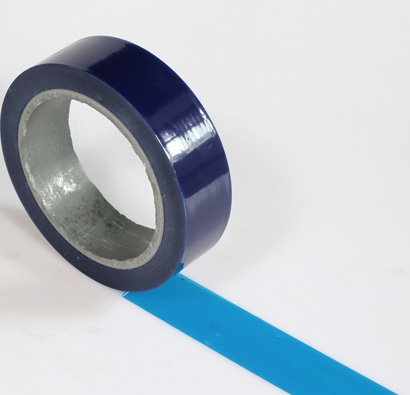
PE protective film used for stainless steel provides multiple operational and quality advantages across manufacturing and construction environments.
PE protective film absorbs friction and impact, preserving the surface integrity of stainless steel—which, especially in brushed, mirror, or polished finishes, is vulnerable to scratches during cutting, bending, stamping, and transportation.
PE protective film from a high-quality, experienced manufacturer provides stable adhesion that:
Stays secure during processing
Prevents edge lifting
Removes easily without adhesive residue
PE protective film protects against:
Water stains
Oil contamination
Dust and construction debris
Mild chemical exposure
This protection is especially valuable during long storage or overseas shipping.
PE protective film can tolerate:
Laser cutting
CNC punching
Bending and forming
Roll forming
Without tearing or melting under typical processing conditions.
PE protection film minimizes surface damage, reducing the need for expensive re-polishing or product rejection and improving overall yield in stainless steel production.
PE protective film used for stainless steel spans multiple industries where surface finish quality is critical.
PE protection film safeguards stainless steel surfaces in architectural and construction environments, where dust, tools, and heavy materials pose risks to exposed metal surfaces.
Typical applications include:
Elevator panels
Stainless steel wall cladding
Architectural trims and moldings
Handrails and balustrades
Stainless steel doors and frames
Appliance protection film is widely relied upon by home appliance manufacturers to maintain the appearance of stainless steel components throughout assembly and distribution.
Common protected surfaces include:
Refrigerators
Dishwashers
Ovens and cooktops
Range hoods
Washing machines
Appliance protection film ensures appliance finishes remain pristine for retail display, allowing products to reach consumers without cosmetic defects such as scratches or fingerprints.
PE protective film is also used in Automotive manufacturing and aftermarket parts production.
Applications include:
Decorative stainless trim
Exhaust system components
Interior stainless panels
Door sill plates
Metal body accents
In these cases, specialized films designed to tape protect automotive part surfaces provide resistance to stamping, forming, and assembly operations while maintaining easy removal after installation.
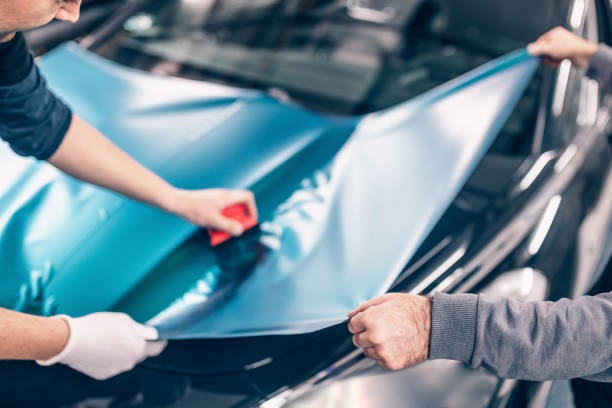
PE protective film should be chosen in right ways. Selecting the right film requires more than simply choosing thickness. Working with a reliable PE film manufacturer ensures the film matches your specific processing conditions and surface type.
Key factors to evaluate include:
PE protective film's adhesion is important. Different stainless finishes require different adhesion strengths.
Typical guidelines:
| Stainless Steel Finish | Recommended Adhesion |
|---|---|
| Mirror / polished | Low adhesion |
| Brushed / hairline | Medium adhesion |
| Rough / textured | Higher adhesion |
Improper adhesion can cause film lifting or difficult removal.
PE protective film's thickness typically ranges from 30 to 100 microns depending on application.
30–40 μm: light protection during transport
50–60 μm: general fabrication protection
80–100 μm: heavy processing environments
Thicker films provide better impact resistance but increase cost.
PE protective film for stainless steel mostly uses one of two adhesive systems:
Acrylic adhesive
UV resistant
Stable during long storage
Ideal for outdoor applications
Rubber adhesive
Higher initial tack
Better for textured surfaces
Lower UV resistance
PE protective film should be performed well during:
Laser cutting
Stamping
Bending
Deep drawing
A qualified PE film manufacturer can customize film formulations to suit these processes.
PE protective film's adhesive performance will be affected by Temperature and humidity. Consider:
Indoor vs outdoor exposure
Shipping duration
Climate conditions during storage
UV-stable films are recommended for projects involving extended sunlight exposure.
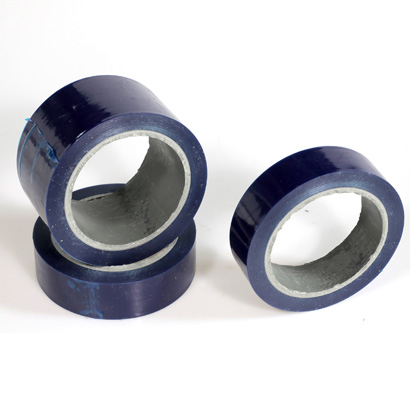
PE film is a polyethylene-based plastic film commonly used for packaging and surface protection. When combined with an adhesive layer, it becomes PE protection film, which temporarily shields materials like stainless steel, aluminum, glass, and plastics from scratches, dust, and handling damage during manufacturing and transport.
The main difference lies in material properties and application. PE protective film is more flexible, environmentally friendly, and easier to remove without residue, making it the preferred choice for stainless steel surface protection. PVC film is thicker and more rigid but is less commonly used today due to environmental concerns and removal difficulty.
Peel the film slowly at a 45–90° angle while the surface temperature is between 15–40°C (59–104°F). If the film has been exposed to sunlight for a long time, gently warming the surface can help ensure clean removal without adhesive residue.
Above is the detailed introduction of PE protective film for stainless steel. Egret Group boasts high performance PE protective film for stainless steel, don't hesitate to contact us for detailed information.