English
 한국어
한국어 français
 Deutsch
 Español
 русский
 العربية
 tiếng việt
 Türkçe
 ไทย
ไทย Indonesia
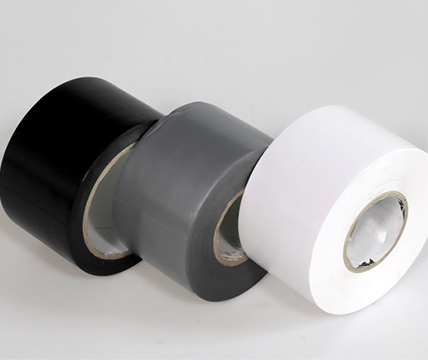

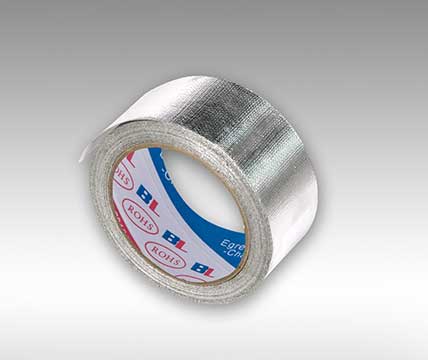
Duct tape is a kind of tape with many functions. It is used in industries widely and outperforms ordinary tapes.
Duct tape is a pressure-sensitive tape consisting of a fabric scrim coated with polyethylene and a rubber-based adhesive. The cloth reinforcement provides mechanical strength, while the PE backing adds water resistance and conformability. High-quality cloth duct tape ensures excellent performance on rough, uneven surfaces, making it ideal for industrial sealing, bundling, and emergency repair applications.
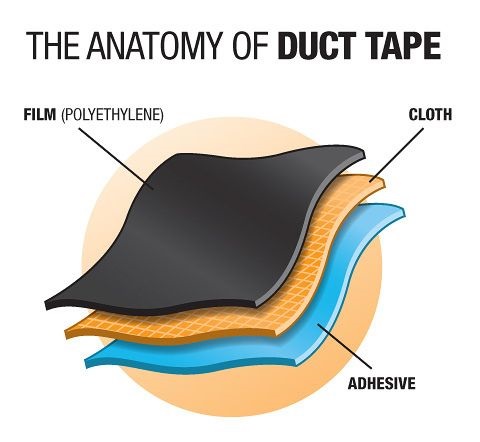
Duct tape consists of three primary layers:
Polyethylene Backing – Waterproof, abrasion-resistant, and flexible.
Cloth Scrim – Woven fibers that determine tensile strength and tear resistance. Higher thread count improves durability.
Rubber-Based Adhesive – High initial tack allows adhesion to irregular and dusty surfaces.
This layered design differentiates industrial duct tape from simple cloth tape, delivering superior mechanical and sealing performance.
Cloth duct tape has many characteristics:
High adhesion for metal, plastic, and concrete surfaces
Tensile strength from dense cloth scrim
Hand-tearable flexibility for fast field application
Water and abrasion resistance via polyethylene backing
These properties make cloth duct tape essential for construction, HVAC, and emergency repairs.
Duct tape manufacturers conduct rigorous testing to ensure consistent performance:
Adhesion to Steel (ASTM D3330) – Measures peel strength for strong bonding.
Tensile Strength (ASTM D3759) – Determines breaking force. Industrial duct tapes often exceed 20–40 lb/in.
Elongation at Break – Indicates flexibility and conformability.
Quick Stick (ASTM D2979) – Assesses how quickly the tape adheres with minimal pressure.
Temperature Resistance – Standard industrial duct tape performs from −20°C to 80°C.
Shear Resistance – Measures long-term holding power without slippage.
Cloth duct tape with High-quality balances these factors to deliver reliable, durable performance across applications.
Duct tape is used in many areas:
Industrial duct tape is commonly used to temporarily seal HVAC ducts, secure insulation, and hold components during maintenance. While long-term sealing may require foil tape or mastic, cloth duct tape provides fast, reliable adhesion for quick fixes and installation tasks.
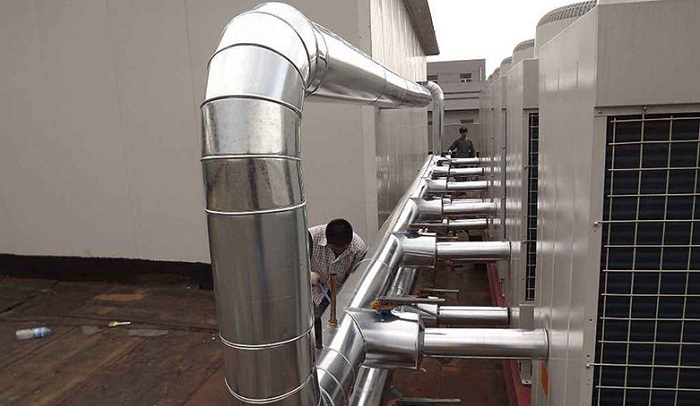
Duct tape's strong adhesion and tear-resistant scrim make duct tape ideal for:
Patching hoses or pipes
Sealing leaking containers
Temporary vehicle or equipment repairs
Cloth duct tape prevents tearing under stress, ensuring quick and reliable temporary fixes.
Duct tape in construction and industrial maintenance is used to:
Bundle cables and pipes
Hold protective coverings during painting or coating
Temporary securing of building materials
High-density industrial duct tape withstands dusty conditions and provides superior durability for demanding jobsites.

Duct tape is different from aluminum tape:
| Feature | Duct Tape | Aluminum Foil Tape |
|---|---|---|
| Backing | PE-coated cloth | Aluminum foil |
| Adhesive | Rubber-based | Acrylic or silicone |
| Flexibility | High | Moderate |
| Temperature Resistance | Moderate | High |
| Applications | Temporary sealing, bundling, repairs | Permanent HVAC sealing |
The above is a comparison between aluminum tape vs duct tape. While industrial duct tape excels in flexibility and quick application, aluminum foil tape is preferred for permanent high-temperature HVAC sealing.
Duct tape focuses on versatility, while foil tape is designed for thermal and HVAC applications:
Foil Tape: Heat resistant, durable, vapor barrier
Duct Tape: Flexible, hand-tearable, high adhesion
Contractors often combine both: foil tape for long-term sealing and duct tape for temporary fixes and general-purpose bonding.
Duct tape is different from cloth tape:
| Feature | Cloth Tape | Duct Tape |
|---|---|---|
| Backing | Fabric | PE-laminated cloth |
| Water Resistance | Low | High |
| Strength | Moderate | High |
| Applications | Crafts, stage, masking | Industrial repair, sealing |
Double coated cloth tape adds adhesive on both sides for mounting or floor bonding but is not designed for sealing, differentiating it from industrial duct tape.
Duct tape should be chosen according to the followings:
Surface Compatibility – Rough or dusty surfaces require high-tack industrial duct tape.
Temperature Exposure – Use foil tape for sustained high heat, duct tape for moderate temperatures.
Strength Requirements – Higher scrim count improves tensile strength and tear resistance.
Environmental Exposure – Outdoor UV exposure demands specialized backing.
Ease of Use – Hand-tearable tapes save time during field application.
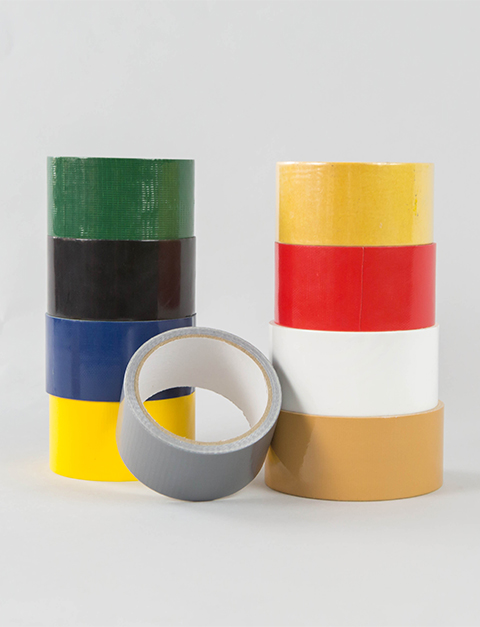
Is duct tape heat resistant?
Standard cloth duct tape tolerates moderate temperatures up to ~80°C (176°F). For high-temperature applications, foil or high-heat tapes are recommended.
Does duct tape melt?
The polyethylene backing may soften under extreme heat, weakening the adhesive. It does not fully melt under normal use.
Does duct tape conduct electricity?
Duct tape is electrically insulating. The backing and adhesive prevent conduction, making industrial duct tape suitable for temporary cable bundling or insulation.
Selecting the right tape ensures durability, reliability, and safety in professional settings. Welcome to contact us for more information of duct tape.